Strategic Applications of the Loon Water Lily Lake Pattern Sublimation for Brand and Product Development
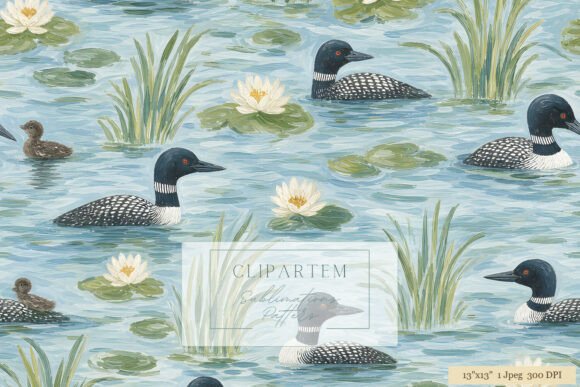
In the current landscape of custom product creation and surface design, the distinction between a generic asset and a strategic brand tool often lies in the narrative depth of the visual elements chosen. The Loon Water Lily Lake Pattern Sublimation represents more than a decorative motif; it is a carefully constructed visual asset designed to evoke specific emotional responses and support distinct market positioning. This 13x13 inch, 300 DPI JPEG file features adult common loons rendered in rich black and white plumage with distinctive white neck collars and vivid red-orange eyes, swimming among cream water lilies on a misty blue lake. By understanding the compositional logic and aesthetic heritage of this painterly sublimation surface pattern, creators and business owners can leverage it to enhance customer experience, strengthen brand identity, and drive tangible results in niche markets.
Defining the Asset: Beyond Aesthetic Appeal
To utilize the Loon Water Lily Lake Pattern Sublimation effectively, one must first analyze its components through a strategic lens. The design is not merely an image of birds; it is a complex interplay of nostalgia, nature, and artistic technique. The primary motifs are the adult common loons, accented by a small brown loon chick that introduces a family narrative—a subtle but powerful element for products targeting parents or families. The background consists of sage-green lily pads, tall marsh grasses, and cattail reeds that create naturalistic depth, all set against muted powder blue and soft grey-blue water tones.
The style is explicitly painterly and illustrative, evoking vintage nature illustration and gouache-style fine art with loose, expressive brushwork. This specific stylistic choice is critical for decision-making. Unlike hyper-realistic photography which can feel sterile or overly commercial, this "cottagecore-adjacent" aesthetic signals authenticity, tranquility, and a connection to tradition. For a brand owner, selecting this pattern is a decision to align with values of serenity, environmental appreciation, and timeless quality. The high resolution (300 DPI) ensures that these fine details—from the white-spotted backs of the loons to the texture of the ivory florals—remain crisp whether applied to fabric yardage or a small tumbler wrap.
Strategic Positioning and Brand Alignment
Integrating the Loon Water Lily Lake Pattern Sublimation into a product line should be a deliberate move to capture a specific demographic: adults aged 20–50 who value mindfulness, nature, and home-centric lifestyles. This audience, ranging from entrepreneurs to hobbyists, often seeks products that offer an escape from the digital noise of modern life. The tranquil mood of the design supports a branding strategy focused on wellness, retreat, and slow living.
Consider the application of this pattern in a hospitality context. A lake house rental or a boutique hotel aiming to promote a restorative guest experience could utilize this design on throw pillows, wallpaper, or even staff uniforms. The presence of the loon chick alongside the adults subtly communicates safety and care, reinforcing a message of family-friendly hospitality. Similarly, for educators or publishers creating materials related to ecology or regional wildlife, this pattern serves as an engaging visual aid that respects the subject matter through its accurate, albeit stylized, representation of the common loon habitat.
The color palette centers on deep charcoal-black bird plumage contrasted with crisp white detailing and warm cream florals. This high-contrast yet muted scheme is versatile. It allows for legible text overlay if used in marketing materials, and it pairs well with natural materials like wood, linen, and stone. When planning a product launch, consider how these colors interact with your existing brand assets. If your brand identity relies on neon accents or stark minimalism, this pattern may create cognitive dissonance. However, if your goal is to project warmth and approachability, the sage green and moss green foliage provide an ideal grounding element.
Operational Versatility and Product Diversification
From an operational standpoint, the utility of the Loon Water Lily Lake Pattern Sublimation lies in its seamless repeat nature and high-resolution format. This single asset can be deployed across a diverse range of substrates, allowing for efficient inventory management and cross-category branding. Because the pattern is designed for sublimation, it bonds permanently with polyester-based materials, ensuring durability and color vibrancy.
Practical applications include:
- Fabric and Apparel: Ideal for quilting cotton, tote bags, and apparel lines targeting the outdoor enthusiast. The repeat pattern ensures that garments look cohesive regardless of how the fabric is cut.
- Home Decor: Perfect for throw pillows, table runners, and wallpaper. The "painterly" style adds a touch of fine art to interior spaces, elevating perceived value.
- Promotional Items: Mugs and tumbler wraps benefit from the 360-degree continuity of the design. The vivid red-orange eyes of the loons act as focal points that draw attention even on curved surfaces.
- Paper Goods: Suitable for gift wrap, scrapbooking paper, and planner covers. The nostalgic feel appeals to stationery enthusiasts who appreciate journaling and memory keeping.
For small business owners, this versatility means a single licensing or purchasing decision can fuel multiple revenue streams. Instead of sourcing separate designs for a mug and a tote bag, you maintain brand consistency by using the same core visual asset. This reduces design costs and strengthens brand recall among customers who encounter your products in different contexts.
Risk Management and Intentional Implementation
While the Loon Water Lily Lake Pattern Sublimation offers significant potential, relying on it without clear goals poses risks. The primary danger is "aesthetic drift," where a brand adopts a trendy look (such as cottagecore) without it aligning with their core mission or audience expectations. If a tech startup suddenly releases merchandise featuring misty lakes and loons without a narrative bridge, it may confuse customers and dilute brand authority.
Furthermore, the detailed nature of the design requires careful technical execution. The loose, expressive brushwork that gives the pattern its charm can become muddy if the sublimation process is not calibrated correctly. Decision-makers must ensure their manufacturing partners understand the importance of color fidelity, particularly with the subtle shifts in the powder blue water tones and the sharpness of the white neck collars. Poor print quality can transform a sophisticated illustration into a blurry mess, damaging the perceived quality of the final product.
There is also the risk of market saturation. Nature-themed patterns are popular. To avoid getting lost in the noise, you must contextualize the pattern. Do not just slap the image on a product; tell the story of the common loon, the significance of the wetland ecosystem, or the artistic inspiration behind the gouache style. Use the pattern as a conversation starter about conservation or the value of slowing down. This adds layers of meaning that competitors copying the visual style cannot easily replicate.
Planning for Long-Term Value
To maximize the return on investment from the Loon Water Lily Lake Pattern Sublimation, integrate it into a long-term content and product strategy. Begin by auditing your current offerings to identify gaps where a serene, nature-inspired aesthetic would resonate. Perhaps your existing line lacks a "gift" category; this pattern's suitability for gift wrap and mugs makes it an immediate solution.
Develop a rollout plan that tests the pattern across different mediums. Start with low-risk items like planner inserts or stickers to gauge audience reaction before committing to larger runs of fabric or wallpaper. Gather feedback on how customers perceive the mood of the design. Does it make them feel calm? Does it remind them of a specific place? Use these insights to refine your marketing messaging.
Additionally, consider the seasonal implications. While the imagery of water lilies and loons is timeless, it peaks in relevance during spring and summer. Plan your inventory and marketing campaigns to align with these seasons, perhaps positioning the products as essential for summer lake trips or backyard relaxation. However, do not limit the pattern strictly to summer; the nostalgic, cozy elements of the design can also be marketed as a way to bring the warmth of summer indoors during colder months.
Ultimately, the successful deployment of the Loon Water Lily Lake Pattern Sublimation depends on intentionality. It is a tool for communication, not just decoration. By treating the design as a strategic asset that supports broader business goals—whether that is enhancing customer loyalty, expanding product lines, or reinforcing a brand's commitment to nature—you transform a simple image into a driver of growth. The key is to remain grounded in the realities of your audience and the capabilities of your production methods, ensuring that every application of the pattern serves a clear purpose and delivers a high-quality experience.