Integrating Retro Flower Digital Paper into Your Creative Workflow
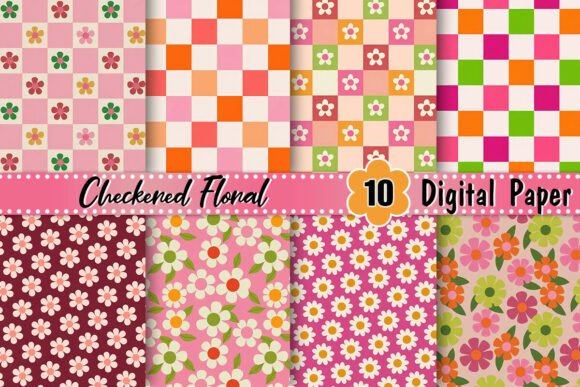
In the fast-paced world of digital design and content creation, finding assets that balance aesthetic appeal with technical reliability is often the bottleneck in a project. Retro Flower Digital Paper offers a specific solution to this challenge, providing a curated set of ten high-resolution JPG images designed to inject vintage charm into modern projects. However, simply purchasing a digital asset is only the first step; the true value lies in how effectively you integrate these resources into your existing workflows. Whether you are a small business owner crafting social media graphics, an educator designing engaging handouts, or a freelancer building a brand identity for a client, understanding the practical application of these textures is essential for maximizing efficiency and output quality.
This collection consists of non-seamless digital papers featuring retro floral motifs, rendered at a crisp 300 DPI. While "non-seamless" might sound like a limitation to some, it actually defines the specific use case for these assets. Unlike seamless patterns intended for tiling across large backgrounds, these individual compositions are best utilized as distinct layers, focal points, or framed elements within a larger design. Recognizing this distinction early in your planning phase prevents wasted time trying to force a square peg into a round hole and allows you to leverage the unique character of each image exactly where it shines.
Pre-Production Planning and Asset Organization
Before opening your design software, effective workflow management begins with organization. When you download the Retro Flower Digital Paper pack, the immediate task is to catalog these assets within your digital library. A disorganized asset folder can lead to redundant purchases or lost time searching for the right texture during a deadline crunch. Create a dedicated directory labeled clearly, perhaps including subfolders for "Backgrounds," "Overlays," and "Accents" if your volume of assets grows. Since these files are JPGs, they are universally compatible, but maintaining a consistent naming convention helps when collaborating with teams or handing off files to printers.
During the conceptualization phase of a project, consider where these retro elements fit into your visual hierarchy. Are you aiming for a nostalgic branding package for a boutique coffee shop? Do you need to soften the starkness of a corporate newsletter with a touch of humanity? Identifying the emotional tone of your project before applying the texture ensures that the Retro Flower Digital Paper serves a strategic purpose rather than acting as mere decoration. This intentional approach aligns with E-E-A-T principles by demonstrating expertise in design strategy and a thoughtful method of execution.
Implementation in Design and Marketing Workflows
Once the planning stage is complete, the integration of these digital papers moves into the execution phase. For marketers and bloggers, these 300 DPI images are ideal for creating high-quality social media posts that stand out in a feed saturated with flat, vector-based graphics. The texture inherent in retro designs adds depth and tactility that can increase engagement. When using these in tools like Canva, Adobe Photoshop, or Affinity Designer, treat the floral paper as a base layer. You can overlay text boxes with reduced opacity or use blending modes like "Multiply" or "Overlay" to ensure readability while maintaining the vintage aesthetic.
For entrepreneurs and small business owners, these assets are particularly useful for product packaging mockups or limited-edition label designs. Because the resolution is set at 300 DPI, the files are print-ready, eliminating the need for upscaling which often degrades image quality. You can import the JPG directly into your layout software, scale it to fit your label dimensions, and proceed to proofing. It is crucial, however, to respect the non-seamless nature of the files. Instead of trying to tile them for a large box wrap, use them as specific panels or accent strips where the floral composition remains intact and visually coherent.
Educators and publishers can also leverage these resources to enhance learning materials. Worksheets, certificate borders, and presentation slides often benefit from a warmer, more inviting aesthetic. By incorporating Retro Flower Digital Paper into lesson plans or educational ebooks, you create a visual environment that feels less sterile and more approachable. The key here is consistency; select one or two patterns from the ten-image set and stick with them throughout a document to maintain a professional look. Randomly switching between all ten images in a single project can result in a cluttered and disjointed user experience.
Technical Considerations and Quality Control
Maintaining high standards in your final output requires attention to technical details. Since these are JPG files, they utilize lossy compression. While generally negligible for visual purposes, it is important to avoid repeatedly saving over the original files if you are editing them extensively, as this can introduce artifacts. Always work on a copy or convert the layer to a lossless format within your editing software if you plan to make significant adjustments. Furthermore, color management is vital. Retro palettes often rely on muted tones and specific color shifts to achieve their vintage look. Ensure your workspace is calibrated so that the colors you see on screen match the final print output, especially since these assets are marketed for their high-resolution print capabilities.
Compatibility is another factor to consider in a multi-tool workflow. JPG is the most widely supported image format, meaning these files will open in virtually any application, from mobile apps on a tablet to professional desktop suites. This flexibility allows for a hybrid workflow where you might start a concept on an iPad using the Retro Flower Digital Paper and finish the refinement on a desktop computer. However, because the images are non-seamless, be mindful of cropping. If your project requires a specific aspect ratio that cuts off the main floral element, the design may lose its impact. Always preview the crop before finalizing the layout.
Long-Term Utility and Scalability
The value of a digital asset pack extends beyond a single project. Over time, as you build a portfolio or a brand library, having a reliable set of go-to textures streamlines your production process. The ten images in this pack offer enough variety to prevent monotony while maintaining a cohesive style guide. You can rotate these patterns across different campaigns or seasons, giving your audience a sense of familiarity without stagnation. For freelancers managing multiple clients, categorizing these assets by mood or color palette allows for rapid deployment when a new brief matches the retro aesthetic.
Moreover, these digital papers can serve as a foundation for further creativity. Advanced users might scan physical media over the printed versions of these papers to create mixed-media effects, or use them as underlays for digital painting. The 300 DPI resolution supports this level of manipulation, providing enough pixel density to withstand cropping and transformation. By viewing these assets not just as static backgrounds but as flexible components of a larger creative toolkit, you enhance your ability to deliver unique, high-quality results consistently.
Ultimately, the successful adoption of Retro Flower Digital Paper into your routine depends on treating it with the same rigor as any other professional tool. It requires preparation, an understanding of its technical constraints, and a strategic vision for its application. When integrated thoughtfully, these retro floral images do more than just fill space; they elevate the perceived value of your work, add emotional resonance to your messaging, and streamline your path from concept to completion. Whether you are designing a wedding invitation, a marketing flyer, or a digital planner, these assets provide the textured foundation needed to bring your vision to life with clarity and style.